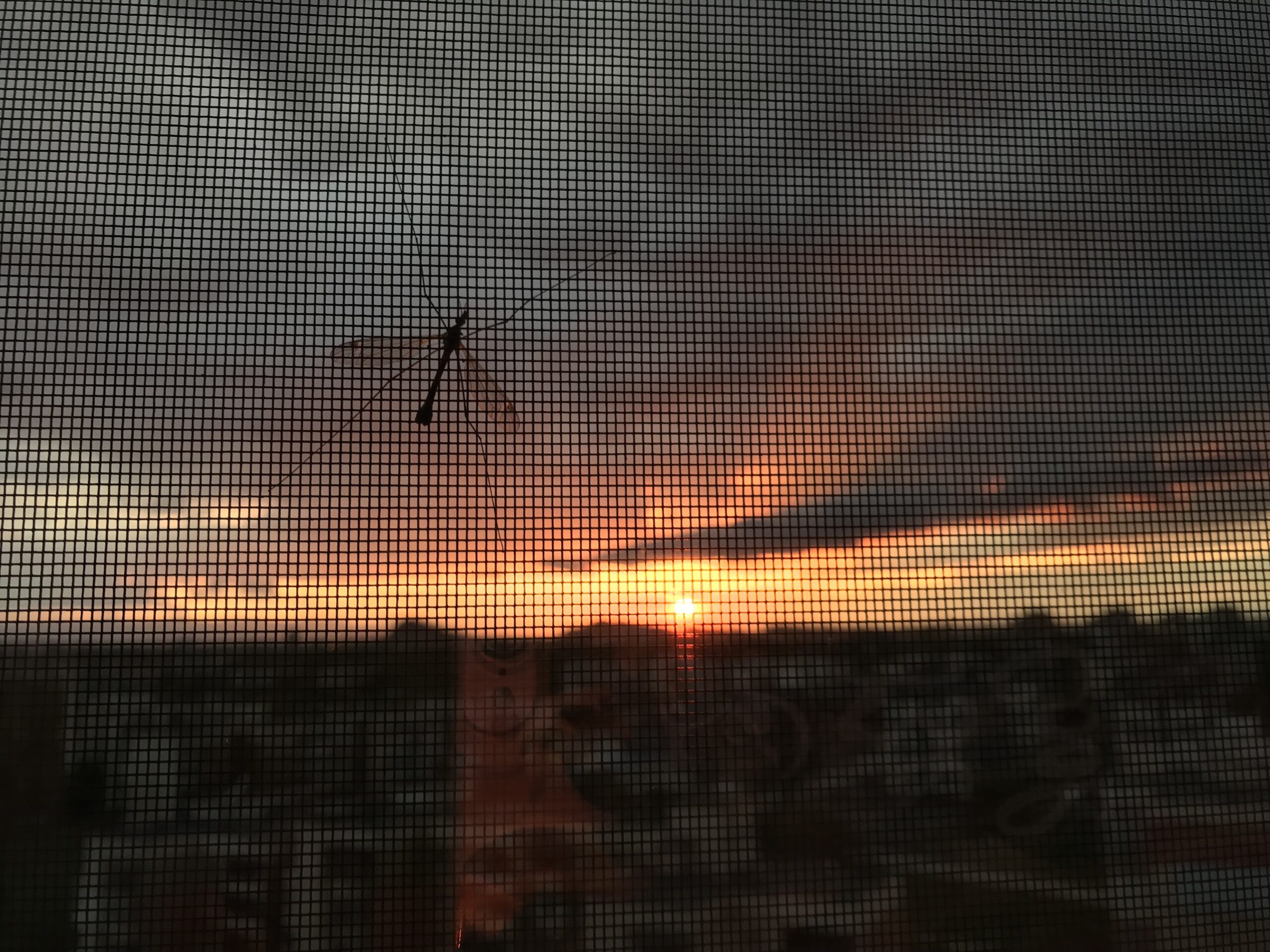
When the warmer months arrive, opening windows and doors is one of the easiest ways to improve airflow and keep indoor spaces comfortable. Unfortunately, it also creates the perfect opportunity for flies, wasps, and midges to enter your property. Luckily, choosing the right fly screen can make a huge difference in preventing pests.
Not all insect screens are the same. Some are designed for commercial use, industrial applications or care homes. Understanding the differences between each system will help you to choose a screen that matches your specific application, is hard-wearing and fits within your budget.
Why Fly Screens Matter
Fly screens do much more than keep insects out. In commercial environments, they are an important part of maintaining hygiene standards and complying with food safety regulations. Restaurants, food production facilities, and healthcare settings all benefit from improved ventilation without compromising cleanliness.
In domestic settings, fly screens allow homeowners to enjoy fresh air without relying heavily on fans or air conditioning. They are also increasingly popular in homes with bifold doors or sash windows.
The right fly screen should provide:
- Effective insect protection
- Good airflow and ventilation
- Easy cleaning and maintenance
- Long-lasting durability
Standard Fly Screens
One of the most popular and cost-effective solutions is the Standard Flyscreen.
These screens are typically made from powder-coated aluminium frames with mesh inserts that are designed to fit securely inside existing window frames. They are removable for cleaning and maintenance, making them practical for use across a range of applications.
Commercial Uses for Standard Fly Screens
Standard fly screens are commonly used in:
- Restaurants
- Care homes
- Schools
- Offices
- Commercial kitchens
Because they are simple and reliable, they are particularly suitable for businesses that need dependable insect protection without investing in more complex systems.
Cost vs Durability
Standard fly screens are generally one of the most affordable options available. Their aluminium construction gives them excellent resistance to corrosion and weathering, while replacement mesh options help to extend their lifespan.
In terms of value for money, standard screens can last many years with minimal maintenance. For businesses operating on tighter budgets, standard fly screens are often the best starting point.
Hinged Fly Screens
For larger openings and higher traffic areas, Hinged Fly Screens are a highly durable option.
These systems feature strong aluminium frames mounted on hinges, allowing the screen to swing open like a door or window panel. They are particularly popular in industrial and food preparation environments.
Best Commercial Uses for Hinged Fly Screens
Hinged fly screens are ideal for:
- Commercial kitchens
- Food manufacturing facilities
- Warehouses
- Industrial buildings
- High-use windows and access points
Their hard-wearing design makes them especially suitable for environments where screens are opened frequently throughout the day.
Cost vs Durability
Hinged systems can be more expensive than basic fixed screens. The reinforced frames and replaceable mesh systems are designed for long-term commercial use. In busy environments, they generally outperform cheaper alternatives because they can handle repeated opening and closing without losing structural integrity.
For businesses prioritising longevity and reliability, hinged fly screens offer excellent long-term value.
Sliding Fly Screens
Sliding Screens are designed to move horizontally or vertically along tracks, making them ideal for wider openings or modern window systems.
Unlike hinged screens, sliding systems require less clearance space, making them perfect for tighter areas.
Best Commercial Uses for Sliding Fly Screens
Sliding screens are commonly used in:
- Cafés and restaurants
- Office buildings
- Patio doors
- Serving hatches
- Large sash windows
They are particularly useful where space limitations prevent outward-opening systems.
Cost vs Durability
Sliding fly screens tend to sit in the mid-range price category. The tracking systems and moving components add to the upfront cost, but they also improve convenience significantly.
Durability depends largely on maintenance. High-quality aluminium tracks and regular cleaning will help the sliding systems last for many years. In lower-maintenance environments, they can provide an excellent balance between practicality and cost.
Retractable Fly Screens
Retractable Ventalite systems are increasingly popular. These screens retract neatly into a housing unit when not in use, keeping the opening visually clean and uncluttered.
Retractable systems are especially attractive in premium environments where aesthetics matter just as much as functionality.
Best Commercial Uses for Retractable Fly Screens
Retractable screens work particularly well in:
- Hotels
- Restaurants with outdoor seating
- Modern office spaces
- Bifold door installations
- Conservatories
- Residential windows
Because the mesh disappears when retracted, these systems preserve the appearance of the property.
Cost vs Durability
Retractable fly screens are typically one of the more expensive options because of their mechanical components and installation requirements.
However, high-quality retractable systems are designed for smooth operation and long-term use. Fibreglass mesh options also resist corrosion and maintain visibility while allowing strong airflow.
Retractable systems offer exceptional convenience and visual appeal.
Screen & Sub-Frame Systems
Another versatile option is the Screen & Sub-Frame design. These systems use a dedicated frame structure mounted around the opening, allowing the screen itself to fit securely within it.
This approach is especially useful where direct mounting may not be practical.
Best Commercial Uses for Screen & Sub-Frame Systems
Screen & sub-frame systems are commonly used in:
- Food production facilities
- Commercial kitchens
- Healthcare buildings
- Industrial environments
They are highly adaptable and work well across many different window styles.
Cost vs Durability
These systems generally offer strong value because they combine affordability with robust construction.
The separate frame design makes maintenance and mesh replacement straightforward, reducing long-term ownership costs. For businesses needing protection across multiple openings, screen and sub-frame systems are a practical investment.
Choosing the Right Mesh
The screen frame is only part of the equation. The mesh itself also affects performance, visibility and durability. According to this Guide to Mesh Types, there are various mesh options available depending on your environment.
Fibreglass Mesh
Fibreglass mesh is one of the most common choices. It is lightweight, corrosion-resistant and provides excellent visibility. It works well in most commercial settings.
Stainless Steel Mesh
For heavy-duty environments, stainless steel mesh offers strong durability. It is commonly used in busy restaurants, factories and industrial facilities where screens experience regular wear and tear.
Midge Mesh
Midge mesh features a tighter weave designed to stop smaller insects. This is particularly useful in rural or waterside locations.
Pet Mesh
Pet mesh includes an additional protective coating that helps to resist damage from cats and dogs. This makes it more ideal for residential settings.
Which Fly Screen Offers the Best Value?
The best fly screen depends entirely on your priorities:
- If cost is the main concern, standard fixed screens provide excellent protection at a low price point.
- If durability is essential, hinged systems and stainless steel mesh combinations offer the longest lifespan in commercial settings.
- If aesthetics and convenience matter most, retractable systems deliver the cleanest appearance and easiest operation.
There is no single “best” fly screen for every situation. The ideal choice depends on your property type, usage levels, ventilation needs and budget.
Commercial kitchens and industrial facilities usually benefit from heavy-duty hinged or sliding systems. Modern homes and hospitality spaces often favour retractable designs for their discreet appearance. Meanwhile, standard fly screens remain one of the most cost-effective and dependable solutions for everyday insect protection.
By investing in the right system from the start, you can improve airflow, maintain hygiene standards and reduce maintenance costs for years to come. To explore the full range of solutions, view our collection of fly screens.