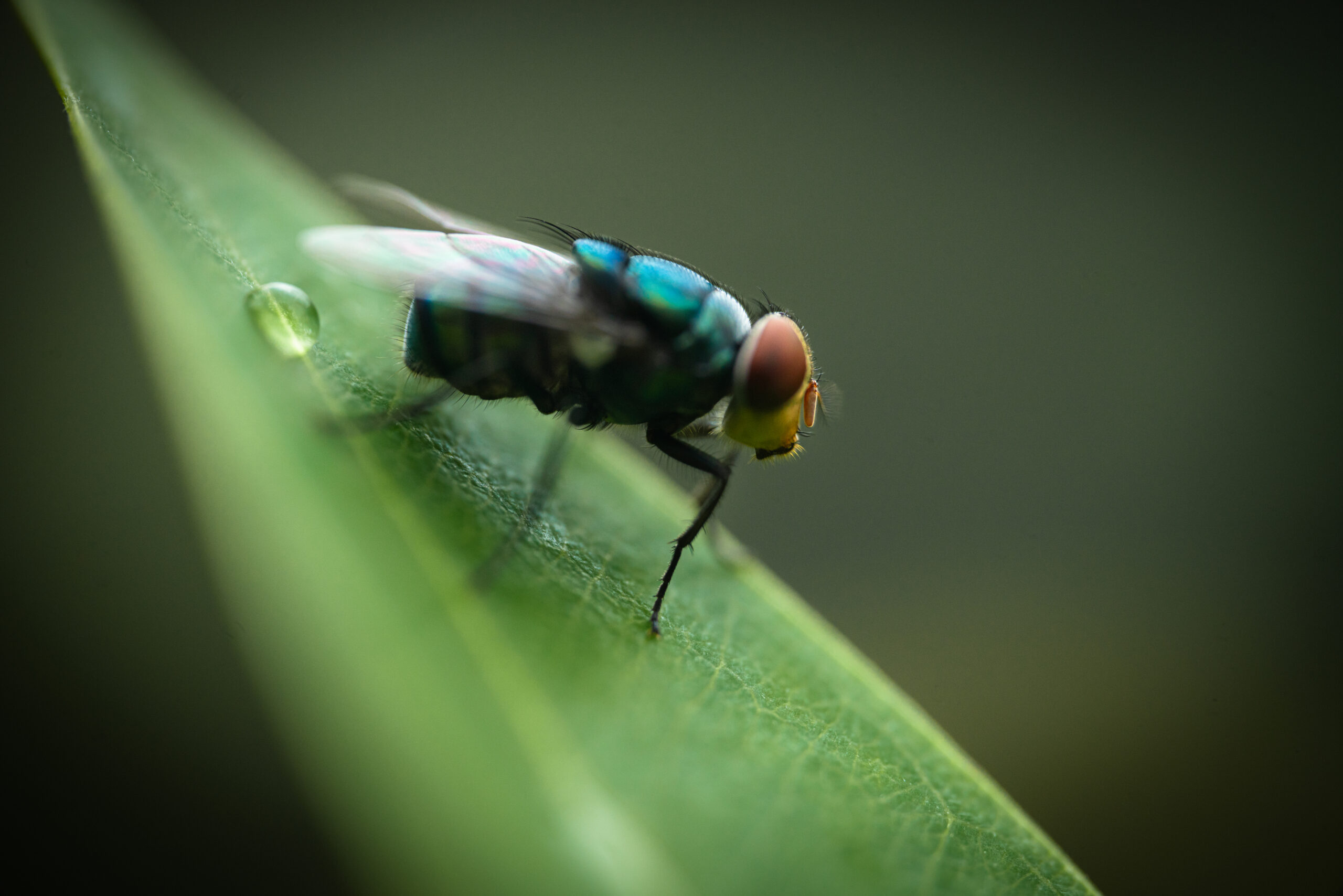
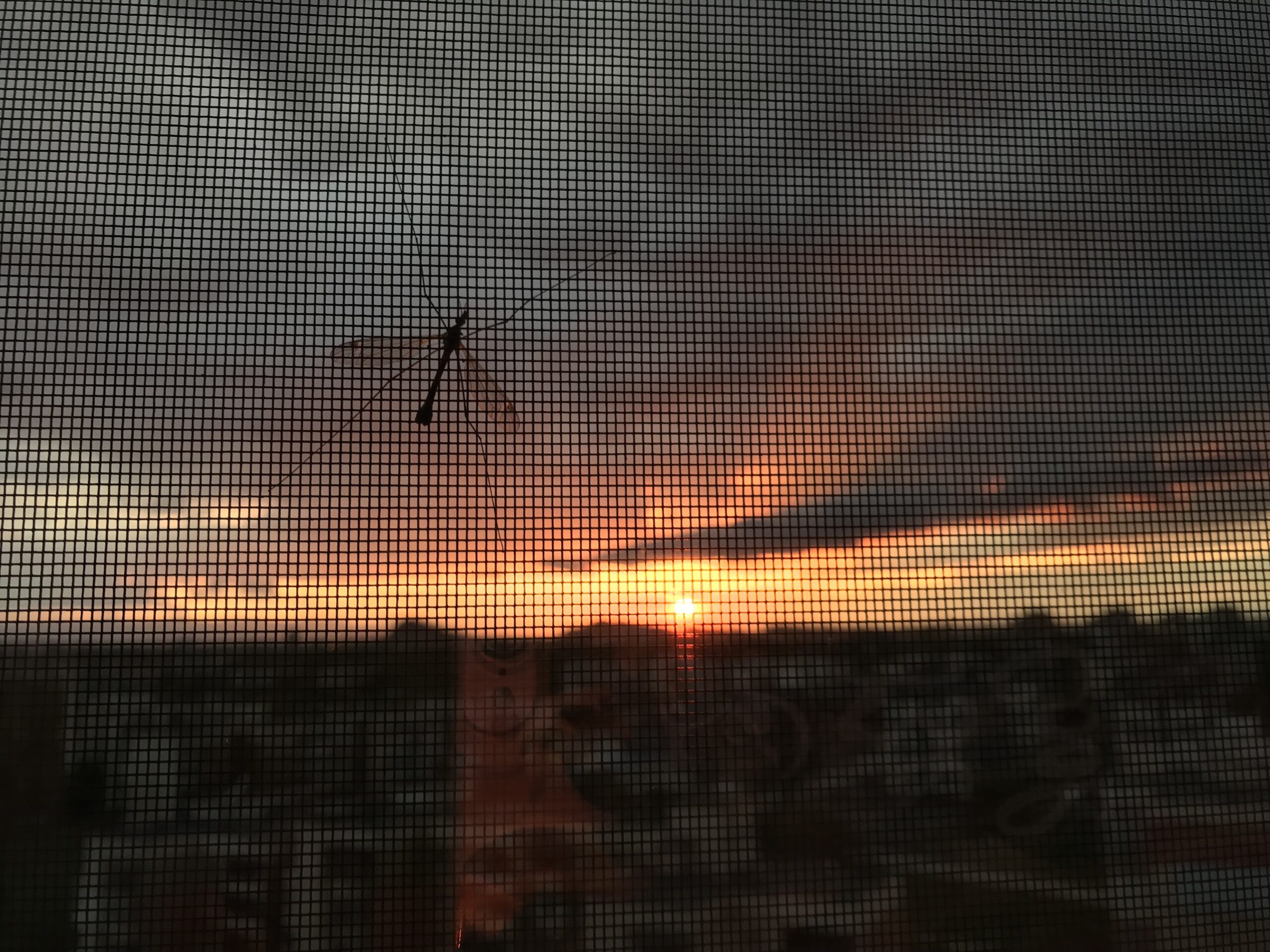
As soon as summer arrives, so do flies. And when warmer weather means open windows, fresh air and more time spent in the garden, it creates the perfect opportunity for flies to enter your home.
These unwelcome visitors are more than just a nuisance. They can contaminate food, spread bacteria and make your home feel less than hygienic.
The good news is that there are plenty of ways to reduce the number of flies in your home. This can be through simple cleaning habits and long-term preventative measures. Here’s everything you need to know about keeping flies out of your house during the summer months.
Why Are There More Flies in Summer?
Flies thrive in warm weather. Higher temperatures speed up their breeding cycle, meaning populations can increase rapidly throughout late spring and summer.
Open doors and windows also make it much easier for flies to enter your home, especially if they’re attracted by:
- Left out food
- Overflowing bins
- Pet food
- Compost bins
- Sweet drinks and fruit
- Warm indoor temperatures
Once inside, flies can become a persistent problem, particularly in kitchens and conservatories where there’s food and warmth.
Why Keeping Flies Out Matters
House flies regularly land on waste, animal faeces and decaying organic matter before entering homes. As they move from one surface to another, they can transfer bacteria onto worktops, food preparation areas and uncovered food.
While the risk to most healthy people is relatively low, preventing flies from entering your home helps maintain a cleaner and more hygienic environment.
Keep Doors and Windows Closed Where Possible
One of the simplest ways to prevent flies from entering your home is to keep doors and windows closed.
However, during hot days, this isn’t always practical, especially given recent heatwaves. Closing your home completely can make rooms feel stuffy, increase indoor temperatures and reduce ventilation.
This is why many homeowners look for a solution that allows fresh air in while keeping insects out.

Install Fly Screens on Windows
One of the most effective long-term solutions is fitting fly screens to your windows.
Unlike sprays or temporary deterrents, window fly screens provide a physical barrier that stops flies from entering your home altogether.
High-quality fly screens are made from fine mesh that allows fresh air to circulate freely while preventing flies, wasps, mosquitoes and other flying insects from getting inside.
Proper pest control, such as fly screens, allows you to have fresh air throughout the day, cooler indoor temperatures, and open windows without worrying about insects.
Don’t Forget Doors
Doors can also let large numbers of flies indoors. Patio doors, French doors and bi-fold doors can be a big cause of bugs during summer when they’re left open for long periods.
Installing fly screens for doors allows you to enjoy uninterrupted airflow while creating an effective barrier against insects. This is useful when you’re hosting barbecues or allowing children and pets to move freely between the house and garden.
How to Reduce House Flies
If flies have already entered your home, then there are simple steps you can take to make your home an unwelcome habitat.
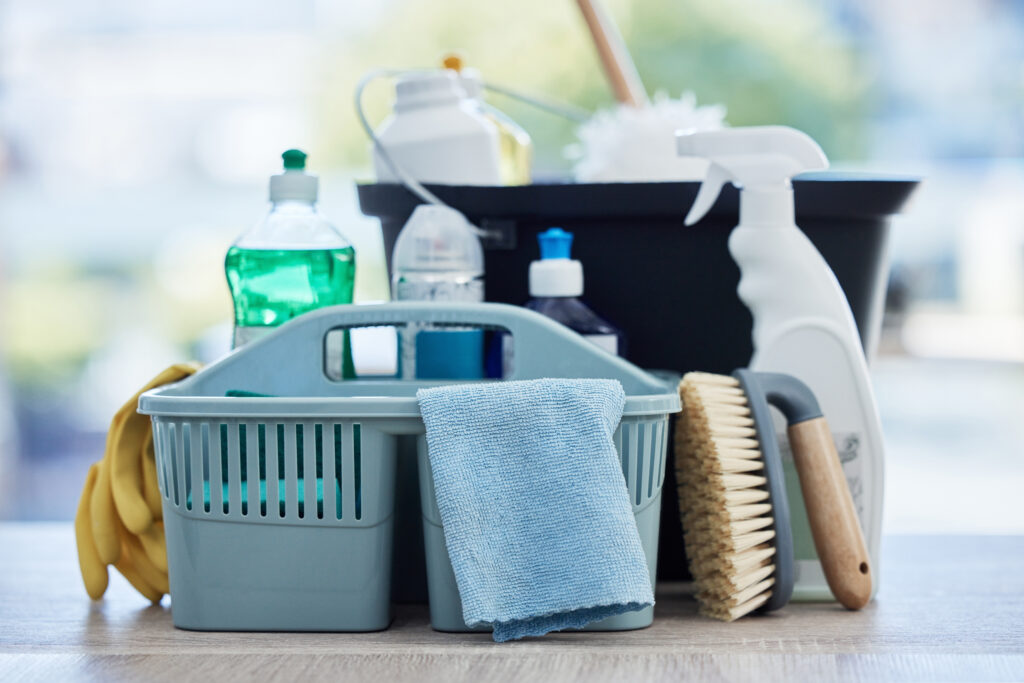
Keep Your Kitchen Clean
Flies are always searching for food. Everyday cleaning habits can make your home far less attractive to them. Try to:
- Wipe down kitchen worktops regularly
- Clean up food spills immediately
- Wash dirty dishes promptly
- Store food in sealed containers
- Keep fruit covered where possible
The less food available, the fewer reasons flies have to stay.
Empty Bins Frequently
Household waste is one of the biggest attractions for flies. Kitchen bins containing food waste provide ideal breeding conditions, especially during hot weather.
To reduce the risk:
- Empty indoor bins regularly
- Keep bin lids closed
- Wash bins periodically
- Use food waste caddies with tight-fitting lids
If possible, position outdoor bins away from doors and windows to discourage flies from gathering near your home.
If you are recycling your food waste in a food caddy, it is recommended to empty this every day, especially when the weather is hot.
Dispose of Pet Food Promptly
Pet food can quickly attract flies, particularly wet food left out during warm weather. Try to remove uneaten food shortly after feeding and wash pet bowls regularly.
If your pet eats outdoors, clean the feeding area frequently to prevent lingering food smells from attracting insects.
Store Fruit Correctly
Overripe fruit is another common reason flies appear indoors. Fruit flies are especially attracted to bananas, peaches, tomatoes and other ripening produce.
During very warm weather, consider storing ripe fruit in the fridge or using fruit bowls that have covers to reduce exposure. Regularly remove any fruit that has begun to go off.
Keep Drains Clean
Kitchen and bathroom drains can sometimes attract small flies due to organic matter building up inside the pipework.
Cleaning drains regularly with hot water and an appropriate drain cleaner can help remove residue that attracts insects. Don’t forget to clean sink plugs and overflow holes too, where food particles often accumulate.
Seal Potential Entry Points
Although open windows are the most obvious access point, flies can also enter through small gaps around window frames, doors and pipes.
Inspect your home for cracks or gaps and seal them where necessary to reduce the number of insects getting into your house. Combined with fly screens, this creates a highly effective defence against summer pests.
Use Natural Deterrents
You’ll often see advice recommending herbs or essential oils to keep flies away. Plants such as basil, mint, and lavender are believed to deter some insects. Citronella, eucalyptus and peppermint oils are also commonly suggested as natural repellents.
Although these methods may help in certain situations, their effectiveness is usually limited and temporary. They’re unlikely to stop determined flies entering through open windows or doors.
For reliable protection, physical barriers are the most effective option.
Avoid Relying on Insect Sprays
Chemical fly sprays can provide a quick fix when flies are already indoors, but they don’t stop new insects from entering. Regular use of sprays can also become inconvenient, especially in kitchens where food is prepared. These sprays can also be harmful to any pets, so it is important to be mindful to close doors after spraying for a short period of time.
Rather than treating the symptom, it’s far more effective to prevent flies from getting inside in the first place.

Enjoy Fresh Air Without Flies
Summer should be about enjoying brighter days, warmer evenings and fresh air throughout your home, not worrying about flies.
By combining good household hygiene with effective preventative measures, you can reduce the number of flies entering your property.
Professionally made window and door fly screens remain one of the most practical and reliable options. They provide continuous protection without chemicals, allow excellent airflow and let you keep your windows open throughout the summer.
Keep Your Home Fly-Free This Summer
We supply high-quality made-to-measure fly screens designed to fit a wide range of windows and doors. We can help to protect your kitchen, bedroom, conservatory or patio doors. Our bespoke screening solutions allow you to enjoy fresh air without being bothered by flies.
Browse our range of insect screens today and see how easy it is to keep flies and other flying insects outside.